
Green Chilly
Green Chilly
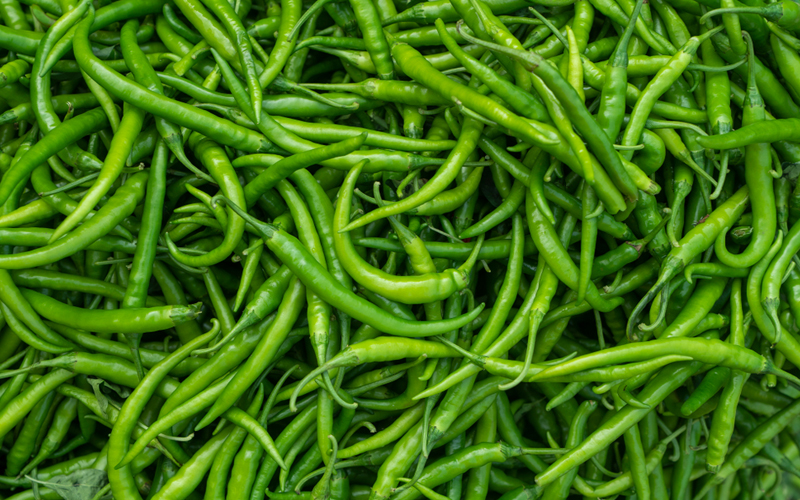
Green chilli (also spelled green chili or green pepper, depending on variety) is the unripe fruit of plants from the Capsicum genus, widely used across Asian, Mexican, African, and Mediterranean cuisines for its sharp heat and fresh, grassy flavor. It is rich in capsaicin, the bioactive compound responsible for its pungency, which stimulates pain receptors, boosts metabolism, aids fat oxidation, and has anti-inflammatory and analgesic properties. Green chillies are an excellent source of vitamin C—often higher than citrus fruits—along with vitamin A (as beta-carotene), vitamin B6, potassium, magnesium, and antioxidants such as flavonoids and carotenoids that help combat oxidative stress and support immune health. Regular consumption may improve digestion by stimulating gastric juices, enhance cardiovascular health by improving blood circulation and reducing LDL oxidation, and help regulate blood sugar levels.
Medicinally, green chilli has been used in traditional systems to relieve congestion, reduce joint pain when applied externally, and promote appetite, though excessive intake can irritate the stomach lining and worsen acid reflux or ulcers in sensitive individuals. Its heat level varies widely by cultivar, ranging from mildly spicy to intensely hot, and it is valued not only for flavor and nutrition but also for its antimicrobial properties that can help inhibit foodborne pathogens.