
Onion
Onion
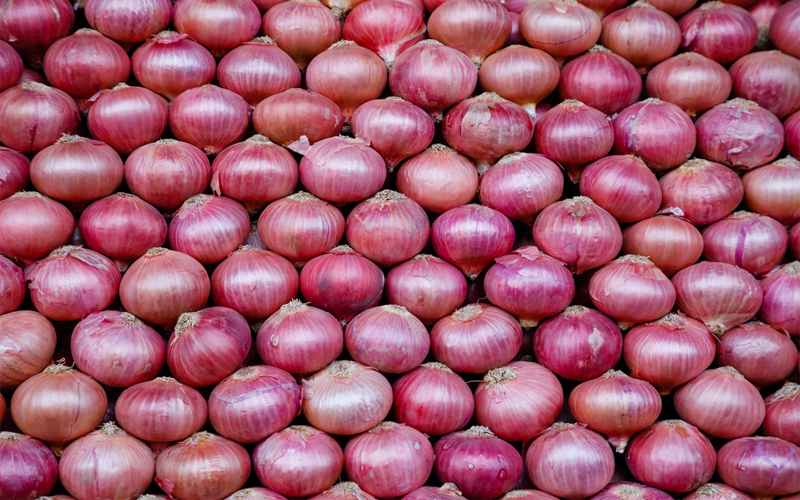
Onion (Allium cepa) is a widely cultivated bulb vegetable valued both as a staple food and for its medicinal properties, with a history of use dating back thousands of years across ancient Egyptian, Greek, Indian, and Chinese civilizations. It is rich in bioactive compounds such as flavonoids (especially quercetin), organosulfur compounds, and phenolic acids, which give onions their characteristic aroma and provide strong antioxidant, anti-inflammatory, and antimicrobial effects. Nutritionally, onions are low in calories yet contain important nutrients including vitamin C, vitamin B6, folate, potassium, and dietary fiber, particularly in the form of prebiotics that nourish beneficial gut bacteria and support digestive health. Regular consumption of onions has been linked to improved cardiovascular health by helping lower blood pressure, reduce cholesterol levels, and inhibit platelet aggregation, thereby decreasing the risk of heart disease.
Onions also play a role in blood sugar regulation by enhancing insulin sensitivity, making them beneficial for people with diabetes when consumed in moderation. Their sulfur compounds may support detoxification pathways in the liver and have been studied for potential anticancer effects, especially in reducing the risk of gastrointestinal cancers. While raw onions offer the highest concentration of certain antioxidants, cooking enhances digestibility and sweetness, though excessive intake may cause bloating or gastric discomfort in sensitive individuals.